
Your home deserves boundaries that reflect both protection and aesthetic appeal. Residential fencing in Asheville represents more than just property lines; it embodies security for families, containment for beloved pets, and visual enhancement that elevates curb appeal.
Whether you’re contemplating a new installation, addressing necessary repairs, or maintaining existing structures, understanding the comprehensive approach to fencing solutions ensures your investment delivers lasting value.
Selecting materials to preserve structural integrity requires professional and practical knowledge.
Residential Fencing Asheville, NC
Establishing effective perimeter solutions begins with recognizing the unique requirements of your property. Residential fencing Asheville NC encompasses diverse materials ranging from classic wood to contemporary vinyl, each offering distinct advantages tailored to specific needs. Climate considerations play a crucial role in material selection, as Asheville’s weather patterns demand structures capable of withstanding seasonal variations without compromising durability.
Property owners often underestimate the complexity involved in achieving optimal results. Soil composition affects foundation stability, while local regulations may dictate height restrictions and setback requirements.
Professional assessment identifies these variables before installation commences, preventing costly modifications later. Furthermore, neighborhood aesthetics and homeowner association guidelines frequently influence design choices, making preliminary research essential.
The relationship between functionality and visual appeal creates balance that enhances property value. Security-focused installations prioritize strength and height, whereas decorative options emphasize ornamental details that complement architectural styles. Understanding your primary objectives clarifies which features deserve priority during planning phases.
Installation and Fence Repair Asheville, NC
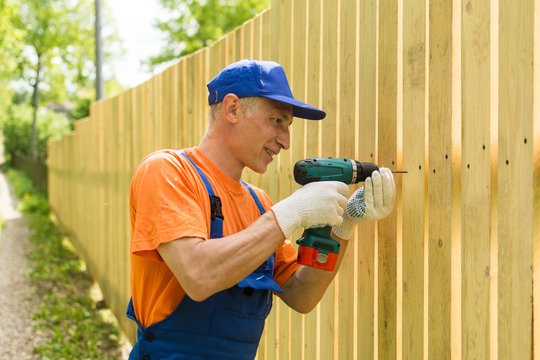
Proper installation establishes the foundation for long-term performance. The process begins with precise measurements and strategic post placement, ensuring alignment that prevents future sagging or leaning.
Depth requirements vary based on soil type and fence height, with professionals typically excavating to frost line levels for maximum stability. Concrete footings anchor posts securely, creating resistance against wind pressure and ground movement.
Permits often puzzle homeowners unfamiliar with municipal requirements. Most jurisdictions mandate approval for structures exceeding certain heights or positioned near property boundaries.
Securing necessary documentation before construction prevents legal complications and potential removal orders. Professional contractors navigate these bureaucratic processes efficiently, possessing established relationships with local authorities that expedite approvals.
Common repair needs arise from weather exposure, accidental impact, or natural deterioration. Rotting posts compromise entire sections, requiring excavation and replacement with treated materials resistant to moisture damage.
Leaning panels indicate foundation issues or inadequate bracing, necessitating realignment and reinforcement. Broken pickets or rails often result from storm damage, demanding swift attention to prevent security gaps and further degradation.
Professional Excellence Vs DIY Approaches
| Aspect | Professional Excellence | DIY Approaches |
| Experience & Skill | Trained teams ensure correct measurements, spacing, and installation. | Lack of experience increases the risk of errors and structural weaknesses. |
| Equipment & Precision | Specialized tools allow precise work not achievable with basic tools. | Basic tools often limit accuracy and efficiency. |
| Warranty & Recourse | Work often comes with warranty coverage for defects. | DIY work typically has no warranty; mistakes may be costly to fix. |
| Repair & Assessment | Professionals detect underlying issues and fix root causes, not just symptoms. | DIY may address only visible damage, risking recurring problems. |
| Efficiency & Time | Projects completed quickly with minimal disruption. | DIY projects take longer and may interrupt property use. |
| Material Waste | Optimized use reduces waste. | Incorrect measurements can lead to excess material waste. |
Maintenance Strategies for Lasting Performance
- Regular Cleaning:
Remove debris to prevent moisture buildup.
Prevent decay in wood and mildew on vinyl.
Use gentle washing with appropriate solutions to protect finishes.
- Painting & Staining (for wooden structures):
Provides barriers against moisture and UV damage.
Reapply every 3–5 years, depending on product quality and exposure.
- Hardware Inspection:
Check for loose fasteners or corroded components.
Tighten or replace items before failures occur.
- Winter Preparation:
Important in regions with freeze-thaw cycles.
Remove snow accumulation to prevent panel warping or post shifting.
Ensure proper drainage to avoid water damage when temperatures rise.
- Seasonal Inspections:
Detect minor issues early.
Prevent small problems from becoming major repairs.
Conclusion
Proper fencing solutions encompass careful planning, skilled installation, timely repairs, and diligent maintenance. These elements combine to create boundaries that protect what matters most while enhancing your property’s visual appeal and market value.
Professional guidance transforms complex decisions into straightforward processes, ensuring results that exceed expectations and withstand the test of time.
Trust Asheville Chain Link & Fencing Service to deliver the expertise and quality your home deserves.