
Fence pricing is one of the most frequently misunderstood topics in home improvement budgeting. Homeowners researching national averages discover figures that bear little relationship to the actual quote they receive for their specific property. Terrain, material selection, gate requirements, and local labor markets all push the real number away from any published average.
For those exploring chain link fence options in Asheville, NC, the local market dynamics, terrain characteristics, and material availability all factor into what a project actually costs.
The Average Cost for a Fence
Material Selection Changes Pricing
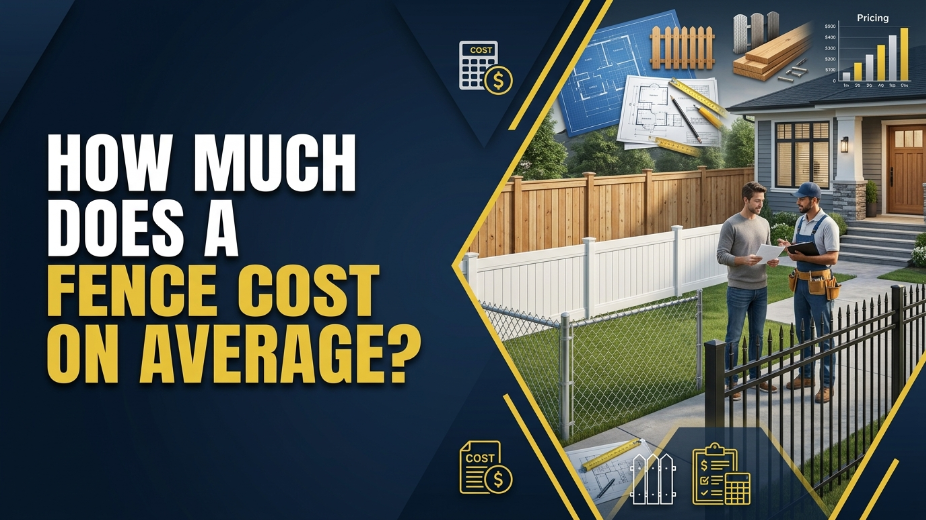
Fence costs vary by material. Chain link is usually the most affordable at $15–$30 per linear foot installed, while wood fencing typically ranges from $20–$45 per linear foot. Vinyl costs more upfront but requires less maintenance over time. Aluminum and steel fencing sit at the premium end due to higher material and fabrication costs.
Property Size Impacts Labor
Larger and more complex properties increase labor costs. Sloped lots, irregular layouts, and multiple gates require more time and precision than simple flat properties. Smaller projects also tend to cost more per foot because fixed setup and mobilization costs are spread across fewer linear feet.
Terrain Complications Increase Costs
Difficult terrain can significantly raise installation costs. Common factors include:
- Slopes requiring stepped or racked fence sections
- Rocky soil needing specialized drilling or anchoring
- Gates requiring reinforced posts and deeper footings
- Permit requirements that affect materials or installation methods
Breaking Down the Cost of Chain Link Fencing Per Foot
Residential Pricing Factors
The cost of chain link fencing per foot in residential applications depends primarily on fence height and coating selection. Standard residential heights of four to five feet in galvanized finish represent the most economical configuration. Vinyl-coated options in black or green add to material cost but deliver aesthetic improvements that many homeowners consider worth the premium.
Residential chain link pricing also reflects post gauge selection, concrete volume at each post, and the hardware quality specified for rail connections and tension systems. Budget-tier materials install at a lower upfront cost but require earlier replacement. We specify materials based on what will perform well for the full expected service life rather than what produces the lowest initial quote.
Commercial Fence Costs
Commercial chain link fencing projects carry higher per-foot costs than residential installations because the specifications differ substantially. Commercial applications typically require heavier gauge mesh, larger post diameters, greater post depth, and gate systems engineered for vehicle access and high-frequency operation.
Security fencing requirements for commercial properties may include barbed wire, razor ribbon, or anti-climb specifications that add material and installation cost beyond the base fence system. These additions are not standard residential items, and their pricing requires evaluation of the specific security performance required at each site.
Coating and Material Thickness Affect Value
Galvanized coating quality and mesh wire gauge both influence the long-term performance of a chain link fence and should factor into cost comparisons between competing bids. Thicker wire gauge provides greater resistance to distortion under impact and sustained mechanical stress. Better coating quality extends the material’s corrosion protection across more years of service.
A lower per-foot price achieved through reduced wire gauge or thinner coating produces a fence that requires earlier replacement. The true cost comparison between fence bids must account for the service life each specification is likely to deliver, not just the installation price that appears on the quote.
Fence Height and Security Features
Chain link fence cost per acre depends on total perimeter length, fence height, and added security features. Barbed wire, privacy slats, and bottom rails all increase overall pricing.
Access Gates and Layout Complexity
Multiple gates, irregular layouts, and additional corners increase labor, materials, and hardware costs. Large properties with several access points typically require a higher overall budget.
Long-Term Maintenance Savings
Chain link fencing remains one of the most cost-effective options for large properties due to its durability and low maintenance requirements. Lower upkeep costs can produce significant long-term savings over time.
Asheville Chain Link & Fencing Service provides transparent, detailed estimates that give property owners the complete information they need to plan effectively.